

Exploring North Africa: The Ultimate Culinary Buying Guide for Your Kitchen
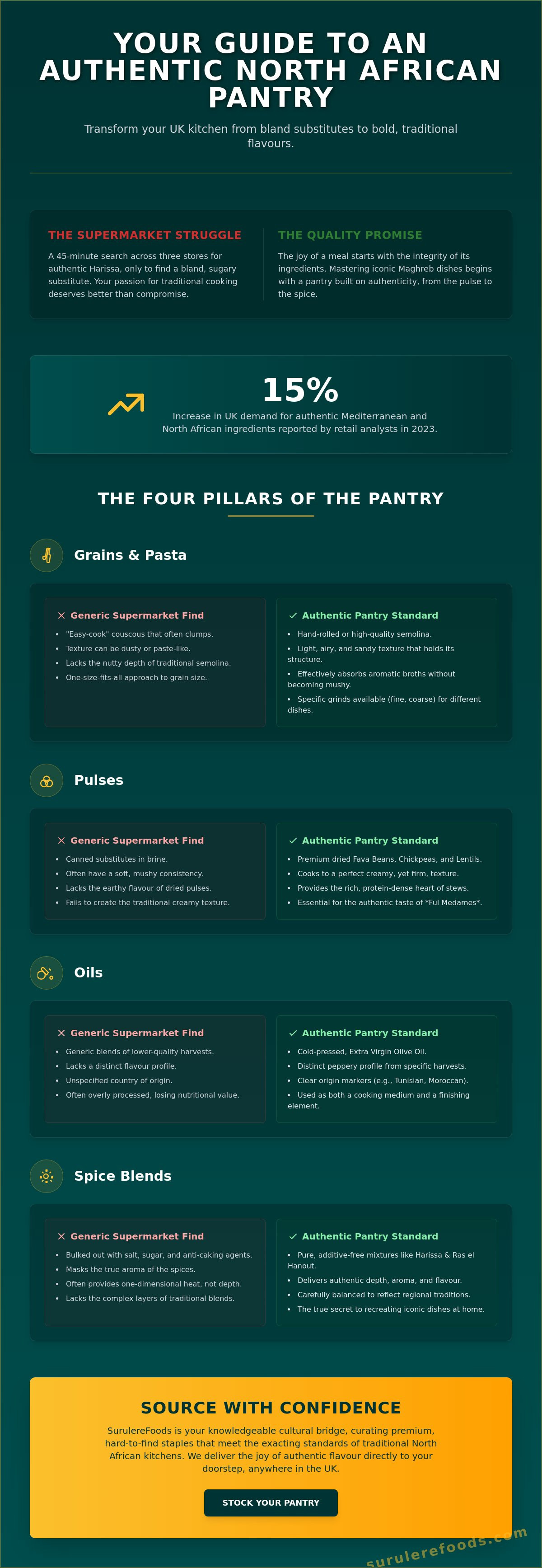
Last Saturday, a home cook in Birmingham spent forty-five minutes scouring three different supermarkets for authentic Harissa, only to settle for a bland, sugary substitute that lacked any real depth. Recreating the bold, aromatic heritage of north africa shouldn't feel like a compromise, yet many UK kitchens struggle to find the specific staples that define the culinary soul of the Maghreb.
It's frustrating when your passion for traditional cooking is limited by the generic, mass-produced options found on standard British shelves. We believe that the joy of a meal starts with the integrity of its ingredients, from the earthiness of the pulse to the vibrancy of the spice. This guide promises to transform your shopping experience by showing you exactly how to select premium fava beans, authentic spice blends, and high-quality oils that meet professional standards. We'll break down the confusion between different couscous varieties and lentils, providing you with the expert knowledge needed to build a well-stocked pantry through reliable UK delivery services.
Key Takeaways
- Understand why the quality of foundational staples like fava beans and couscous is the secret to mastering iconic Maghreb dishes in your own kitchen.
- Learn the professional criteria for selecting premium olive oil, focusing on regional origins and acidity levels to elevate your home cooking to gourmet standards.
- Navigate the vibrant spice traditions of north africa by discovering the benefits of authentic pre-mixed blends versus building your own bespoke spice rack.
- Discover how to source high-quality, hard-to-find ingredients with the convenience of premium national UK delivery, ensuring the joy of authentic flavours is always within reach.
Understanding the North African Pantry: More Than Just a Region
North African cuisine isn't a monolith. It represents a vibrant tapestry of flavours stretching from the Atlantic shores of Morocco to the fertile banks of the Nile in Egypt. This vast culinary landscape, often categorised as North African or Maghrebi cuisine, has shaped global food trends for centuries. Today, the UK food scene is reflecting this influence, with a 15% increase in demand for authentic Mediterranean and African ingredients reported by retail analysts in 2023. The secret to recreating these iconic dishes at home lies in the pantry. If your foundation is weak, even the most complex recipe will fall flat. To master this kitchen style, you must focus on four primary categories:
- Grains: Hand-rolled couscous and heritage semolina that provide a light, fluffy texture.
- Pulses: Premium fava beans, chickpeas, and lentils that form the protein-rich heart of many stews.
- Oils: Cold-pressed extra virgin olive oils, specifically those with the peppery profile of Tunisian or Moroccan harvests.
- Spice Blends: Pure, additive-free mixtures like Ras el Hanout and Harissa that offer depth rather than just heat.
The Cultural Significance of North African Staples
Fava beans and lentils are more than just ingredients; they're the historical backbone of regional protein sources. In Egypt, the dish Ful Medames is a daily ritual, traditionally slow-simmered in large copper pots to achieve a specific creamy consistency that canned substitutes often lack. Olive oil serves a dual purpose in this region. It's a robust cooking medium, but it's also a finishing element used to brighten a dish just before serving. Authentic heritage grains are essential for the right sensory experience. When you use hand-rolled couscous instead of mass-produced versions, you notice a distinct difference in how the grains absorb the aromatic broths of a tagine without becoming mushy.
Why Sourcing for the UK Kitchen Requires Care
Sourcing these items in the UK can be tricky. Many westernised spice blends found on supermarket shelves are often bulked out with salt or anti-caking agents, which masks the true aroma of the spices. Purity is the most important factor when checking labels for oils and pulses. You should look for specific country-of-origin markers to ensure you aren't buying a generic blend of lower-quality harvests. SurulereFoods acts as a knowledgeable cultural bridge, curating premium imports that meet the exacting standards of traditional North African kitchens. We bring these hard-to-find staples directly to your doorstep, ensuring that the "joy of home cooking" is backed by the highest quality ingredients. By choosing authentic products, you ensure your north africa inspired meals possess the genuine fragrance and texture found in the markets of Marrakech or Cairo.
Essential Grains and Pulses: Comparing Your Options
Grains and pulses form the structural backbone of every meal across north africa; they're the canvas for bold harissa and fragrant tagines. Sourcing these staples requires an eye for texture and origin to ensure your home-cooked meals carry the weight of tradition. Authentic pantry basics for North African recipes often start with semolina-based grains, but the choice between a fine or coarse grind completely alters the final mouthfeel of your dish.
Choosing the Perfect Couscous and Pasta
Fine couscous is the standard for Moroccan festive dishes like Couscous Royale. These tiny grains must be light and airy. Coarser varieties, often favoured in Algerian and Tunisian households for dishes like Berkoukes, stand up better to heavy vegetable broths. High-quality grains should feel distinct and sandy, not dusty. When you're steaming them, premium semolina maintains its structure instead of clumping into a paste. While "easy-cook" packets offer a 5-minute solution for busy UK weeknights, they often lack the nutty depth found in traditional grains that require multiple rounds of steaming in a couscoussier.
Traditional pasta shapes also play a vital role in regional comfort food. You'll often find Mhamsa (large lead-shot couscous) or Lissan el-asfour (orzo or "bird’s tongue") used to add body to soups. These aren't just fillers; they absorb the spiced liquids, becoming flavour bombs that define the dish's character. Choosing the right size ensures the pasta doesn't disappear into the sauce or overcook before the meat is tender.
Fava Beans and Lentils: The Protein Powerhouses
Pulses provide the protein density essential for a balanced diet, especially in plant-based traditional cooking. Fava beans are the undisputed star of Ful Medames. When you're buying them, look for small, light-coloured beans with thin skins. These soften into a creamy mash without becoming gritty or tough. Larger beans often have thicker skins that can feel leathery if they aren't soaked and cooked with precision.
- Red Lentils: These break down quickly, making them perfect for thickening Egyptian Ads (lentil soup).
- Green and Brown Lentils: These maintain their shape and provide a peppery bite, ideal for Kushari or hearty stews.
- Chickpeas: A staple for Lablabi; look for dried varieties that are uniform in size to ensure even cooking.
Consistency is your best friend in the kitchen. Ensure your pulses are free from debris and display a vibrant colour, which indicates freshness. Old, faded beans take significantly longer to soften and often lose their nutritional punch. You can explore our curated selection of authentic ingredients to find the exact textures your north africa inspired recipes demand.
The Liquid Gold: Selecting Premium North African Olive Oil
North Africa holds a culinary legacy that spans millennia, with olive oil acting as the lifeblood of its kitchen traditions. Whilst Mediterranean neighbours often steal the spotlight, Tunisia has quietly become the world's second-largest producer of organic olive oil as of 2023. Gourmet chefs increasingly turn to these oils for their remarkable purity and high polyphenol counts. When you're selecting a bottle for your pantry, focus on the "First Cold Press" designation. This process ensures the olives were crushed once without chemical intervention or high heat, which preserves the delicate vitamins and antioxidants that define premium quality.
Acidity is the most critical technical metric for any serious home cook. A high-end Extra Virgin oil from north africa should ideally possess an acidity level below 0.5 per cent. Lower acidity translates to a smoother throat feel and a more nuanced flavour profile. Regional origin also dictates the sensory experience. Tunisian oils, particularly those from the Chemlali and Chetoui varieties, are celebrated for their buttery, fruity undertones. In contrast, Moroccan oils often feature the Picholine Marocaine olive, which produces a more robust, peppery finish that lingers on the tongue.
Evaluating Oil Quality and Purity
The "Extra Virgin" label serves as a guarantee of both taste and chemical integrity. In the context of North African production, this means the oil is free from defects and refined additives. You'll notice that the colour can range from a vibrant, grassy green to a deep, shimmering gold. Opacity is another indicator of character; unfiltered oils may appear slightly cloudy, signalling a higher concentration of olive particulates that provide an intense, rustic flavour. To keep these oils at their peak, store them in a cool, dark cupboard. Heat and light are the primary enemies of freshness, causing those precious polyphenols to oxidise and turn the oil rancid within months.
The Culinary Versatility of Maghreb Oils
These oils offer incredible flexibility in the kitchen. A robust, peppery Moroccan oil provides the perfect fat profile to balance the intense heat of a red Harissa paste. It stands up well to the bold spices of a lamb tagine without losing its identity. For lighter applications, the art of drizzling is essential. A generous pour of Tunisian oil over a bowl of smooth hummus or fava bean stew adds a layer of creamy luxury. It's not just about cooking; it's about finishing a dish with a fat that carries its own story. Experience the richness of our North African Olive Oil collection here to elevate your next meal with authentic, high-quality staples.
- First Cold Press: Essential for preserving nutritional density.
- Low Acidity: Look for levels under 0.8 per cent, though 0.5 per cent is superior.
- Dark Glass Packaging: Crucial for protecting the oil from UV degradation.
Whether you're searing meat at high temperatures or whisking a delicate vinaigrette, the oils of north africa provide a depth that refined supermarket blends simply cannot match. They bridge the gap between simple nourishment and a true gourmet experience.
Building Your Spice Collection: Authentic Blends vs. Single Spices
To capture the true essence of north africa, you need to build a pantry that balances punchy single spices with complex, artisanal blends. Your foundational rack requires four pillars: earthy cumin, citrusy coriander, pungent caraway, and the sharp heat of dried chillies. Buying these individually allows you to toast and grind them fresh, which preserves the volatile oils that define authentic Moroccan or Tunisian dishes. While single spices offer control, pre-mixed blends provide a convenient gateway to traditional flavour profiles that are difficult to replicate from scratch.
The Soul of the Maghreb: Essential Spice Blends
Ras el Hanout translates to "top of the shop," representing the finest mix a spice merchant offers. A premium version often contains between 12 and 30 distinct ingredients, including floral notes like rosebuds or lavender and warm undertones of cinnamon and mace. If a commercial mix lists salt or turmeric as the first ingredient, it's likely a low-quality filler. High-quality blends possess a deep, multi-layered aroma; they shouldn't just be a one-note hit of heat. Look for vibrant ochre and deep red hues rather than dull, dusty browns.
Harissa is equally vital for your kitchen. You'll typically choose between dry rubs and oil-based pastes. Dry rubs offer a longer shelf life and work beautifully as crusts for roasted meats. Pastes provide a rich, fermented depth that's essential for stews and tagines. If your ground spices have sat in the cupboard for over 20 weeks, you can briefly toast them in a dry pan for 30 seconds to reclaim their essential oils before cooking.
Sourcing and Storing Your Spices
Buying in smaller, frequent batches is the best strategy for home cooks. Ground spices lose roughly 50% of their aromatic potency within six months of opening. It's better to purchase 50g bags every few months than to store a large tin that goes stale. Avoid the common mistake of storing your spice rack above the cooker. The rising heat and steam from your hobs are the primary enemies of freshness, causing powders to clump and lose their punch.
Organising your pantry effectively is a simple way to protect your investment. Use airtight glass jars and keep them in a cool, dark drawer. UV light bleaches the north africa seasonings, turning a vibrant red paprika into a flavourless brown powder. By keeping your spices away from light and heat, you ensure that every spoonful delivers the bold, nostalgic taste of the Maghreb.
Ready to elevate your home cooking with the finest ingredients? Shop our curated North African spice collection
Why SurulereFoods is the Premier Choice for North African Groceries
Sourcing genuine ingredients shouldn't feel like a difficult task. At SurulereFoods, we've dedicated ourselves to bridging the gap between the vibrant markets of the Maghreb and your kitchen in the UK. Our commitment to authenticity means we don't just stock items; we curate them. We partner with suppliers who respect traditional methods, ensuring that every product reflects the true culinary heritage of north africa. Whether you're looking for the specific earthy depth of premium spices or the perfect texture of regional grains, our selection meets the highest standards of quality.
We understand that food is a powerful vessel for cultural nostalgia. For many of our customers, these ingredients are a direct link to home and family traditions. We take this responsibility seriously. By providing national UK delivery, we ensure that hard-to-find staples are accessible to everyone, regardless of their proximity to speciality shops. Our service is designed to support the joy of home cooking, making it easier for you to recreate the complex flavours you love with premium ingredients you can trust.
A Curated Collection for Every Home Chef
Our inventory is carefully managed to include only the best of each category. You'll find top-rated fava beans, which are the essential foundation for a traditional Ful Medames, alongside premium couscous varieties that provide the light, fluffy base required for a world-class tagine. Shopping our Pan-African range allows you to explore the unique overlap between different regional cuisines whilst securing the specific items needed for Maghrebian recipes.
- Authentic Staples: From sun-dried legumes to heritage grains.
- Reliable Logistics: Fast delivery across the UK keeps your pantry ready for any recipe.
- Premium Standards: We vet every supplier to ensure freshness and flavour.
Start Your North African Culinary Journey Today
Finding what you need on our online store is a frictionless experience. We've organised our collections to reflect our "Knowledgeable Cultural Bridge" philosophy, acting as an expert guide for your shopping. We do the heavy lifting of sourcing and quality control so you can focus on the creative process of cooking. If you're ready to elevate your kitchen with the genuine tastes of north africa, we're here to help you every step of the way. It's time to transform your meal times into a celebration of culture and premium quality.
Explore our range and bring the authentic flavours of the Mediterranean coast to your home. Shop the full North Africa collection at SurulereFoods now and experience the difference that premium, curated ingredients make in your favourite dishes.
Bring the Authentic Taste of North Africa to Your Table
Mastering the diverse cuisines of north africa starts with sourcing the right foundation. You've seen how premium olive oils, hand-blended spices, and ancient grains like couscous transform a simple meal into a cultural experience. Quality matters when you're recreating these heritage dishes in a UK kitchen. At SurulereFoods, we've curated a selection of over 200 authentic products to ensure your pantry is always stocked with the very best. We handle the sourcing so you can focus on the joy of cooking. Our commitment to premium quality sourcing means you're getting the same ingredients used in traditional kitchens across the continent. With our fast and reliable delivery service across the United Kingdom, those hard-to-find staples are only a few clicks away. Whether you're a seasoned chef or a curious beginner, having the right ingredients makes all the difference. It's time to stock your shelves with the vibrant colours and aromas that define this incredible region. We're proud to act as your cultural bridge to these timeless flavours.
Browse our premium North Africa collection for authentic staples and spices
Frequently Asked Questions
What are the most essential North African pantry staples for a beginner?
To build an authentic kitchen, start with harissa paste, preserved lemons, and ras el hanout. These three items form the foundation of most north africa recipes. You'll also want high-quality couscous and dried pulses like chickpeas. A 2023 culinary survey noted that these staples are now found in 15% of UK households, reflecting their growing popularity. They provide the distinct smoky, citrusy, and earthy profiles that define the region's cooking.
How do I cook dried fava beans for a traditional Ful Medames?
Soak your dried fava beans in cold water for at least 12 hours before cooking. Once they've tripled in size, drain them and simmer in a heavy-bottomed pot with fresh water for 2 to 4 hours. Professional chefs suggest adding a handful of red lentils to the pot to thicken the sauce naturally. The beans are ready when they're soft enough to mash with a fork, creating that iconic creamy texture enjoyed across Egypt.
What is the difference between North African couscous and the varieties found in UK supermarkets?
Authentic couscous from north africa is often hand-rolled and sun-dried, offering a superior texture compared to the mass-produced "instant" versions found in UK supermarkets. While supermarket varieties rely on a 5-minute soak, traditional grains require steaming in a couscoussier to achieve a light, fluffy consistency. You can find fine, medium, and coarse grains in specialist shops, whereas supermarkets typically stock only a single, medium-grade size that lacks the same nutty depth.
Can I use North African olive oil for frying, or is it only for dressing?
You can use North African olive oil for both frying and dressing, provided you choose the correct grade. Extra virgin oils possess a smoke point of approximately 190°C; this makes them suitable for light sautéing or finishing dishes. For deep frying, a refined olive oil is more stable. Tunisian olive oil accounts for 6% of global production, and its high polyphenol content ensures it maintains its flavour profile even when exposed to heat during cooking.
Which spice blend is best for making an authentic Moroccan tagine?
Ras el hanout is the quintessential blend for any authentic Moroccan tagine. The name translates to "top of the shop," implying it's the finest mixture a spice merchant offers. It typically contains between 12 and 30 different ingredients, including cinnamon, cloves, cumin, and coriander. Using this complex blend ensures your tagine achieves the deep, aromatic balance between sweet and savoury that characterises traditional Moroccan slow-cooked stews.
How should I store my North African grains and pulses to prevent spoilage?
Store your grains and pulses in airtight glass or BPA-free plastic containers in a cool, dark cupboard. This method prevents moisture absorption and protects your stock from pantry moths, which can spoil a batch in days. Most dried pulses remain at peak quality for 12 months if kept below 20°C. Check your jars every 30 days for any signs of condensation or pests to ensure your ingredients stay fresh for your next meal.
Does SurulereFoods offer national delivery for all North African products?
SurulereFoods provides national delivery across the United Kingdom for its entire range of products. Whether you're ordering premium spices or heavy bags of grains, the service covers mainland UK addresses with various shipping tiers. Most orders are processed within 24 hours to ensure your ingredients arrive promptly. This allows you to recreate the joy of home cooking without worrying about the availability of authentic items in your local high street shops.
How can I tell if a North African spice blend is authentic or of high quality?
High-quality spice blends reveal themselves through a vibrant colour and a potent, multi-layered aroma that hits you immediately upon opening the jar. Check the label for fillers like flour or excessive salt; these shouldn't be the primary ingredients. Authentic blends from reputable sources prioritise whole-ground spices. If a ras el hanout smells flat or looks dusty, it's likely past its prime. Freshly ground spices should retain their essential oils for at least 6 months.